
Traditional Chinese Medicine (TCM) looks at gynaecological health as a whole-of-body system issue, not a set of isolated symptoms. Hormones, digestion, stress, sleep, circulation and emotional load all matter. When those systems fall out of sync, menstrual pain, irregular cycles, fertility challenges or menopausal symptoms tend to follow.
Anyone who’s dealt with ongoing women’s health issues knows the frustration. Tests come back “normal”, yet your body doesn’t feel normal at all. That gap between clinical results and lived experience is where TCM has quietly built its reputation.
Why do gynaecological issues often resist quick fixes?
From a TCM perspective, many women’s health concerns develop slowly. They’re shaped by years of stress, overwork, disrupted sleep, restrictive dieting, or simply pushing through discomfort because life is busy.
Rather than hunting for a single cause, TCM practitioners look for patterns, such as:
Poor circulation affecting the uterus and pelvis
Hormonal signalling thrown off by chronic stress
Digestive weakness reducing nutrient absorption
Long-term inflammation driven by emotional strain
This pattern-based thinking explains why two women with the same diagnosis can receive completely different care approaches.
It’s also why TCM has remained relevant for thousands of years — it adapts to the person, not the label.
How does Traditional Chinese Medicine view the menstrual cycle?
In Western medicine, the menstrual cycle is measured in hormones and phases. In TCM, it’s understood through the flow of blood, energy (Qi), and balance between organ systems.
A healthy cycle, in TCM terms, tends to mean:
A predictable rhythm
Minimal pain or clotting
Stable mood and energy
Smooth transitions between phases
When those elements are disrupted, symptoms show up. Pain before bleeding often points to stagnation. Heavy or prolonged bleeding can suggest weakness in regulatory systems. Irregular cycles may reflect stress or depleted reserves.
This framework helps explain why TCM treatment often evolves across the month rather than staying static.
What role does acupuncture play in women’s health support?
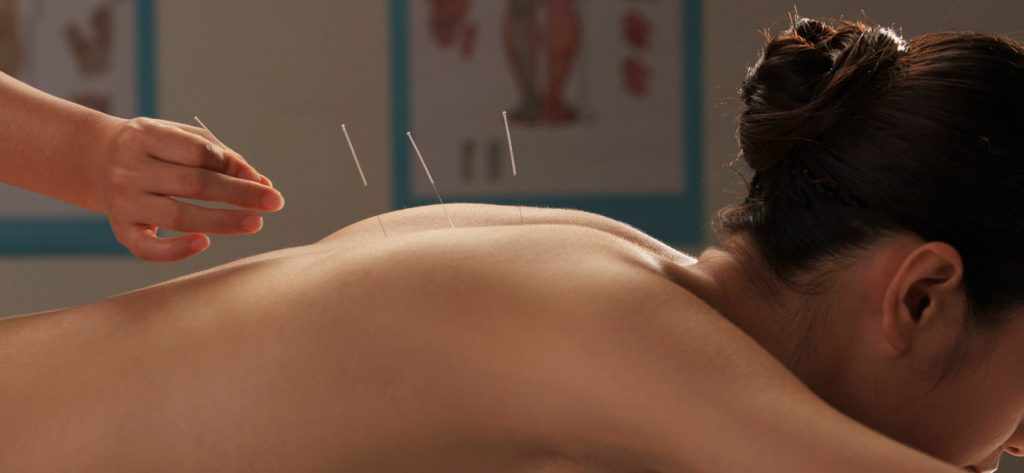
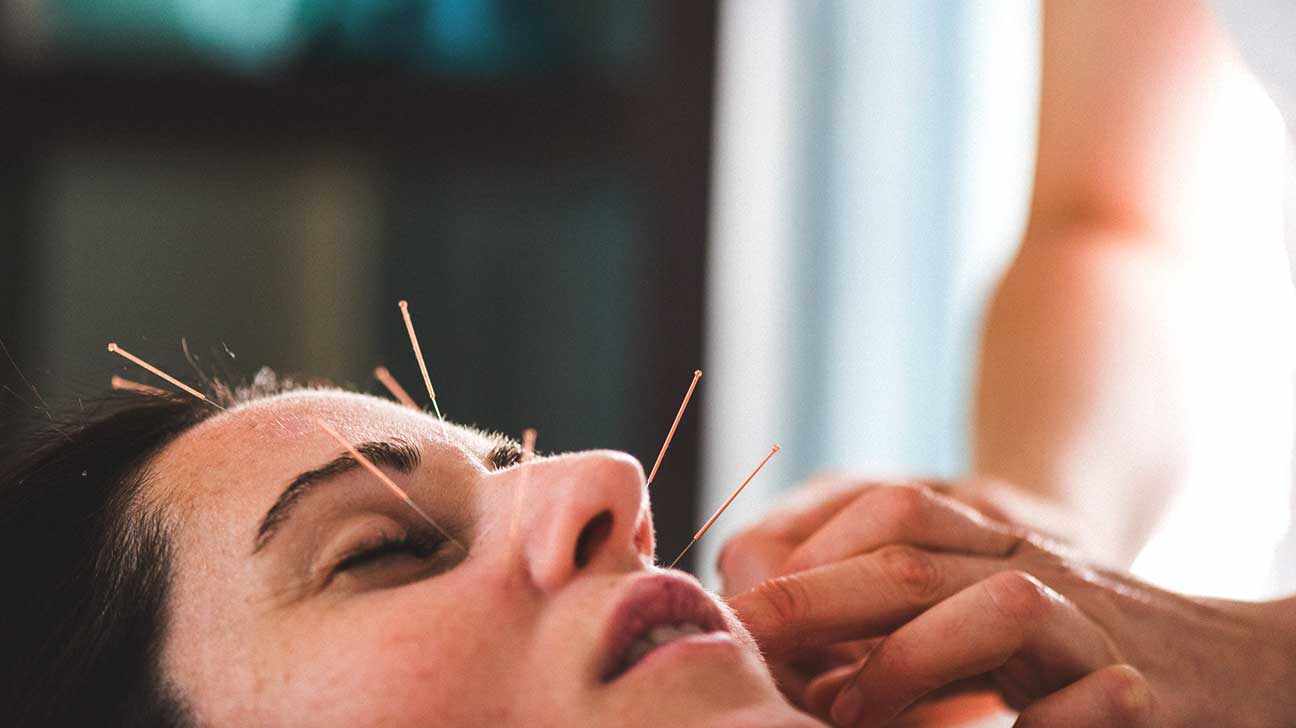
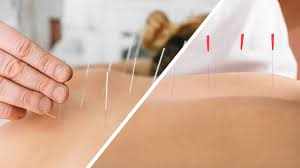
Acupuncture is one of the most recognised tools within TCM for gynaecological support because it directly influences circulation, nervous system signalling, and stress regulation.
Clinically, it’s often used to support:
Painful or irregular periods
PMS and mood changes
Endometriosis-related discomfort
Fertility and IVF preparation
Perimenopausal and menopausal symptoms
From a behavioural science lens, this also taps into consistency and commitment — one of Cialdini’s persuasion principles. Women who feel tangible shifts in sleep, pain or energy early on are more likely to stay engaged with care, creating cumulative benefits over time.
Can Chinese herbal medicine support hormonal balance?
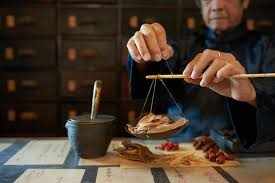
Chinese herbal medicine is another pillar of TCM gynaecological care. Unlike single-compound supplements, herbal formulas are designed to work together, adjusting ratios as symptoms change.
A practitioner might refine a formula as:
Stress levels rise or fall
Menstrual timing shifts
Digestion improves
Sleep stabilises
This dynamic approach aligns with modern thinking around personalised medicine, even though it’s been practiced for centuries.
It also builds authority and trust — another Cialdini principle — because treatment decisions are grounded in long-standing clinical systems rather than trend-driven fixes.
Why stress is a bigger factor than most women realise
Ask any practitioner with years of clinical experience and they’ll tell you the same thing: stress shows up everywhere in women’s health.
In TCM terms, chronic stress disrupts the smooth movement of Qi. In plain English, things get stuck. Circulation slows. Hormonal messages misfire. Pain and mood symptoms creep in.
Modern research increasingly supports this link. Organisations like the World Health Organization recognise chronic stress as a contributor to menstrual irregularities, fertility challenges and menopausal symptoms, particularly when paired with poor sleep and high workload demands. For a broader biomedical overview, their resources on women’s health and wellbeing provide useful context:
Women’s health – World Health Organization
TCM doesn’t separate emotional and physical health — it treats them as inseparable.
What makes TCM different from symptom-only approaches?
One of the quiet strengths of TCM is that it doesn’t rush. That might sound odd in a culture built on speed, but for long-standing gynaecological issues, it’s often exactly what’s needed.
Rather than suppressing symptoms, treatment aims to:
Improve baseline energy
Regulate sleep and digestion
Reduce pain sensitivity
Stabilise mood and stress responses
These shifts may seem subtle at first. But over months, they can change how the body responds entirely.
This taps into loss aversion, another behavioural driver. Many women seek TCM after realising that ignoring symptoms carries a bigger long-term cost than addressing them early.
Is Traditional Chinese Medicine suitable alongside Western care?
In practice, many women use TCM alongside conventional medicine rather than instead of it. Acupuncture and herbal support are commonly integrated with:
Gynaecological care
Fertility treatment
Hormonal therapy
Pain management plans
The key is communication and working with qualified practitioners who understand both systems.
This collaborative approach reflects a growing shift in healthcare: fewer silos, more integration.
Frequently asked questions
How long does TCM take to show results for gynaecological issues?
Some women notice changes within a few sessions, particularly with pain or sleep. Longer-standing hormonal or cycle concerns usually improve gradually over several months.
Is acupuncture safe during fertility treatment?
When provided by a trained practitioner, acupuncture is commonly used alongside IVF and other fertility support, with timing adjusted to treatment phases.
Do I need ongoing treatment forever?
Not necessarily. Many women transition to maintenance or occasional care once balance is restored.
A final thought on women’s health support
Gynaecological health is rarely just about one organ or one hormone. It’s shaped by how you live, work, rest, eat and cope with pressure. Traditional Chinese Medicine starts from that reality, rather than fighting it.
For women exploring acupuncture for women’s health as part of a broader, integrated approach, this kind of system-level thinking can feel like a relief — less about “fixing” the body, more about helping it work the way it was meant to.










Write a comment ...