
Acupuncture can support urinary incontinence management by improving bladder control, calming overactive nerves, and strengthening the communication between the brain and pelvic floor. It’s not a magic wand, but for many people it becomes a useful part of a broader, practical plan—especially when conventional options feel limited or frustrating.
How acupuncture supports urinary incontinence management
Urinary incontinence has a habit of shrinking people’s lives. You start planning around toilets, skipping walks, cutting gym sessions short, or laughing a little less freely. Anyone who’s dealt with it knows it’s not just a “bladder issue”; it messes with confidence and routine.
Acupuncture approaches the problem from a different angle. Rather than focusing only on symptoms, it looks at how the nervous system, muscles, and organs are working together—or not.
What actually causes urinary incontinence?
Before acupuncture makes sense, the cause does.
Most cases fall into a few broad buckets:
Stress incontinence – leakage during coughing, sneezing, lifting, or exercise
Urge incontinence – sudden, intense need to urinate with little warning
Mixed incontinence – a combination of both
Postpartum or age-related changes – where pelvic floor strength and nerve signalling shift over time
From a clinical perspective, these issues often involve:
Weak or poorly coordinated pelvic floor muscles
Overactive bladder nerves sending “go now” signals too often
Hormonal or age-related tissue changes
Stress and poor sleep amplifying nerve sensitivity
Acupuncture is typically used to influence nerve regulation, muscle tone, and blood flow, rather than forcing the bladder to behave.
How does acupuncture work for bladder control?
This is where modern physiology and traditional practice overlap nicely.
Acupuncture stimulates specific points connected to:
The autonomic nervous system, which controls bladder filling and emptying
Pelvic floor muscle activation, especially in cases of weakness or delayed response
Local circulation, helping tissues repair and respond more effectively
Research has shown acupuncture can help regulate detrusor muscle activity (the bladder wall muscle) and calm excessive nerve firing. That’s particularly relevant for urge incontinence, where the bladder contracts when it shouldn’t.
According to summaries from the National Center for Complementary and Integrative Health, acupuncture influences central nervous system pathways involved in pain, muscle control, and organ regulation—mechanisms that overlap strongly with bladder function.
Is acupuncture backed by evidence or just tradition?
This is the fair question, and scepticism is healthy.
Clinical studies over the past decade suggest acupuncture can:
Reduce urgency and frequency episodes
Improve quality-of-life scores in people with overactive bladder
Enhance outcomes when combined with pelvic floor training
Is it a standalone cure? Rarely.
Is it useful as part of a management strategy? For many, yes.
This fits neatly with Cialdini’s principle of Authority. The growing acceptance of acupuncture in hospital settings, continence clinics, and multidisciplinary care isn’t driven by belief alone—it’s driven by measurable outcomes and patient follow-through.
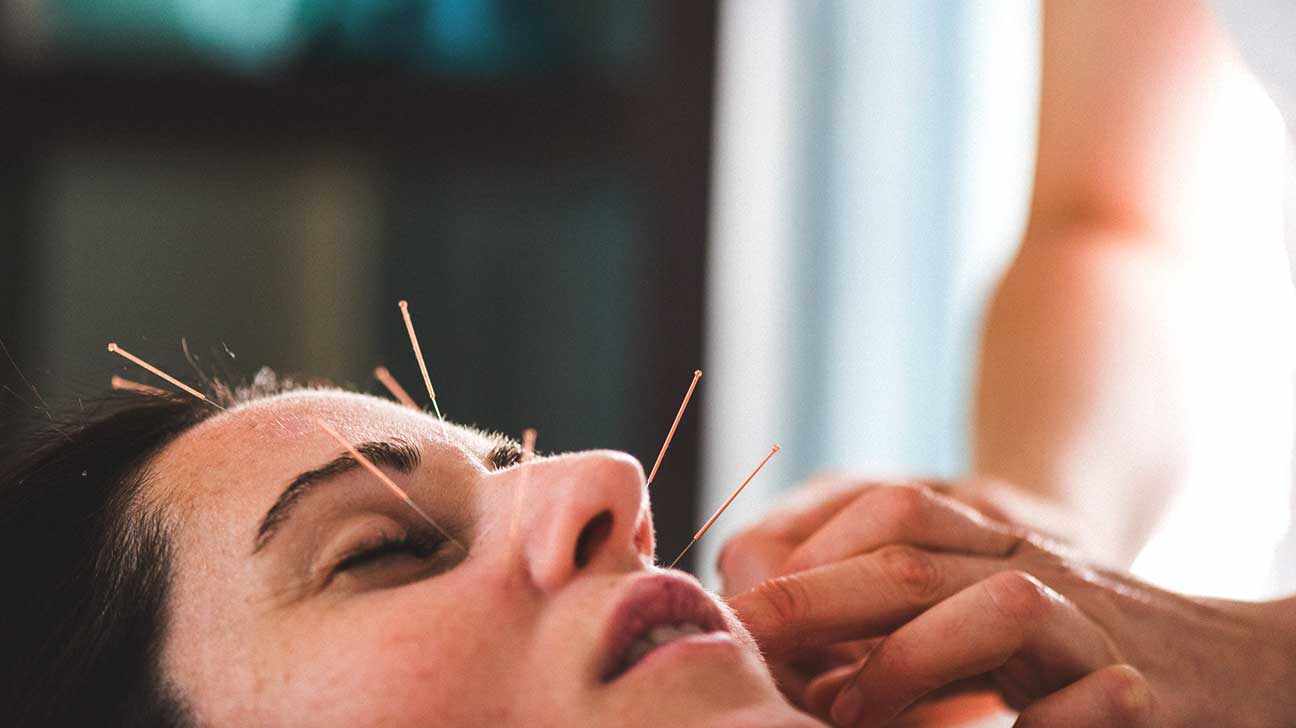
What does a typical acupuncture treatment involve?
For urinary incontinence, treatment is usually calm, private, and methodical—nothing dramatic.
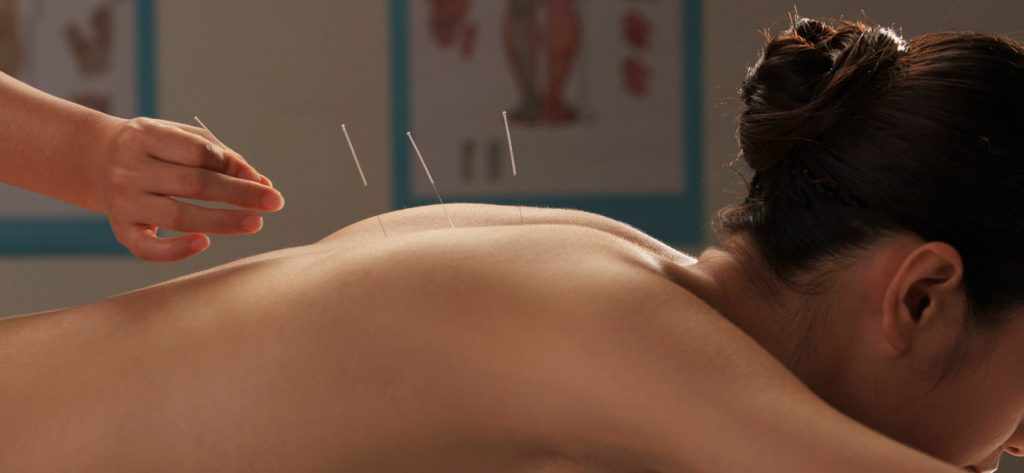
Sessions often include:
Points on the lower abdomen and pelvis to influence bladder pathways
Points on the legs and lower back linked to pelvic nerve supply
Gentle needle techniques rather than strong stimulation
Most people describe a dull ache, warmth, or heaviness—not pain.
Consistency matters. Like gym training or physio, change comes from repetition, not a one-off session. This taps into Commitment & Consistency—small, regular inputs that build momentum over time.
Who tends to benefit the most?
In practice, acupuncture seems most helpful for:
People with urge or mixed incontinence
Postnatal clients rebuilding pelvic coordination
Those who haven’t responded well to medication
Individuals wanting non-drug options alongside physio
It’s also appealing for people who value treatments that don’t rely on long-term pharmaceuticals. That sense of control and autonomy matters more than most clinicians admit.
Can acupuncture be combined with other treatments?
This is where acupuncture quietly shines.
Used alongside:
Pelvic floor physiotherapy
Bladder retraining
Lifestyle changes (hydration timing, caffeine reduction)
…it often improves compliance and outcomes.
From a behavioural perspective, acupuncture can act as a habit anchor. When someone commits to weekly sessions, they’re more likely to stick with exercises and routines in between. That’s not mystical—it’s human behaviour.
Common myths about acupuncture for incontinence
Let’s clear a few up.
“It only works if you believe in it.”
Belief may help engagement, but nerve responses don’t require faith.“Needles near the bladder are dangerous.”
Properly trained practitioners use superficial, anatomically informed techniques.“If it doesn’t work instantly, it’s pointless.”
Bladder control changes gradually. Expect weeks, not minutes.
A quick FAQ
How long before results appear?
Many people notice subtle changes within 3–6 sessions, with steadier improvements over time.
Is it safe for older adults?
Yes, when performed by a qualified practitioner with experience in continence care.
Does it replace pelvic floor exercises?
No. It usually complements them rather than replaces them.
A grounded way to think about acupuncture and continence
Acupuncture isn’t about “fixing” the bladder in isolation. It’s about improving how the body coordinates signals, muscles, and timing—something modern life often disrupts.
For those exploring non-invasive options, this approach to acupuncture for urinary incontinence offers a clear, evidence-informed explanation of how it fits into real-world management rather than wishful thinking.
Sometimes progress isn’t loud or dramatic. Sometimes it’s just fewer interruptions, better sleep, and the quiet relief of not planning every outing around the nearest bathroom.









Write a comment ...