
Educational courses in Traditional Chinese Medicine tend to attract two kinds of people. Those already working in health who want deeper tools, and those starting fresh, searching for a system that treats the whole person rather than isolated symptoms. The short answer is this: structured education in Traditional Chinese Medicine (TCM) gives you a coherent medical framework, practical clinical skills, and a philosophy that still holds up after thousands of years.
Anyone who’s watched people bounce between practitioners without real answers knows the appeal.
What do educational courses in Traditional Chinese Medicine actually teach?
At their core, TCM courses teach you how the body functions as an interconnected system. Rather than chasing symptoms, students learn to identify patterns and causes.
Most reputable programs cover:
Yin and Yang theory and how balance shows up in real bodies
Five Element theory and its behavioural and emotional links
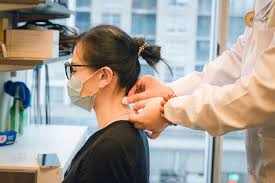
Chinese medical diagnostics such as tongue and pulse reading
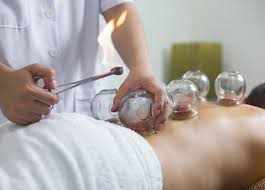
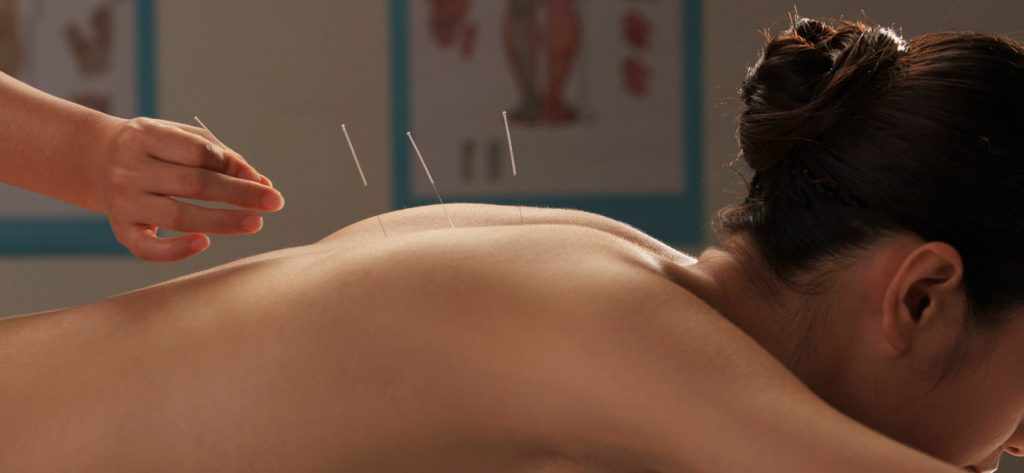
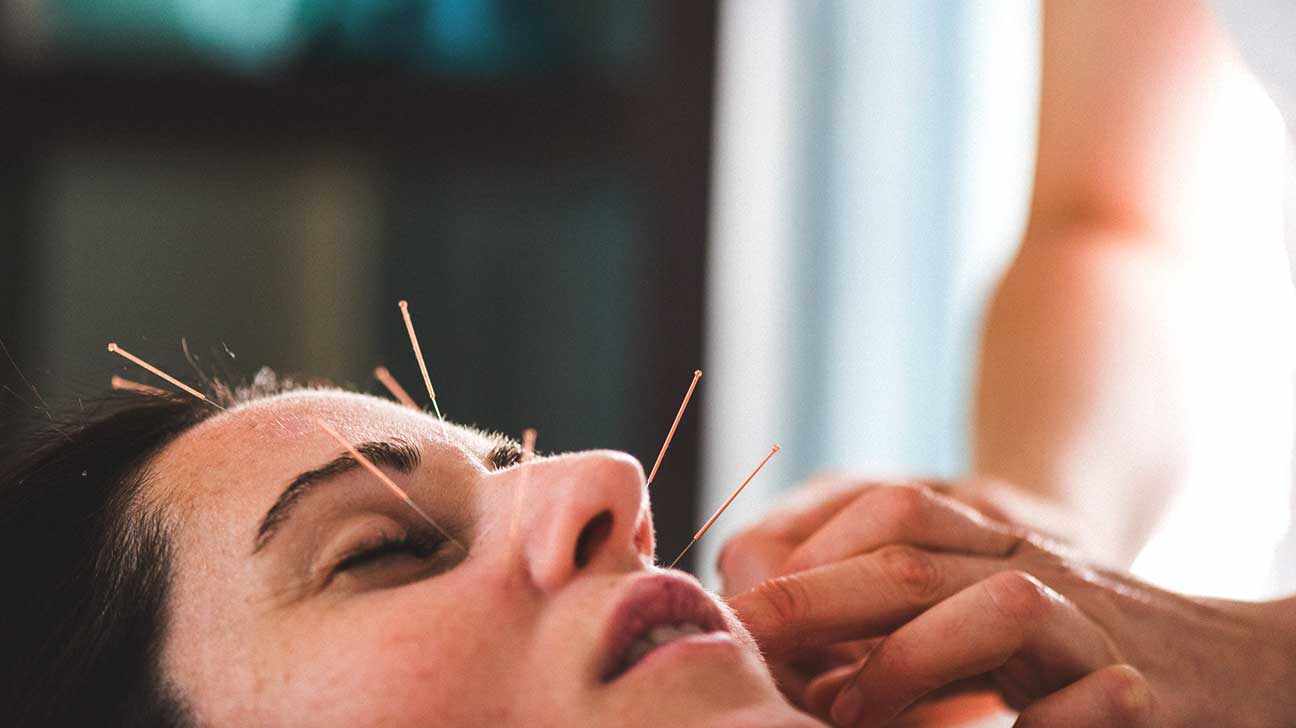
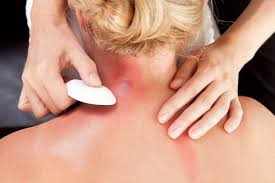
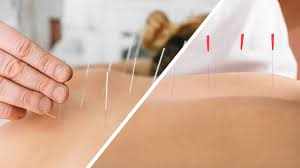
Acupuncture theory and point functions
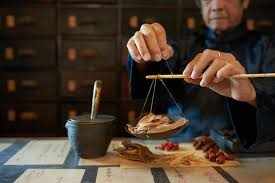
Herbal medicine foundations and safety
Lifestyle medicine, diet, and preventative care
Anyone who’s tried learning acupuncture from short weekend workshops quickly realises why formal education matters. The depth simply isn’t there without structured study.
Who are these courses really for?
One of the surprises for many students is how diverse the classroom can be.
Educational courses in Traditional Chinese Medicine commonly attract:
Massage therapists and bodyworkers wanting clinical depth
Nurses and allied health professionals expanding their scope
Career changers looking for meaningful, people-focused work
Yoga teachers and wellness coaches wanting a medical framework
There’s also a strong consistency principle at play here. Once people start learning TCM, they tend to stay with it. The system rewards commitment by revealing layers that only make sense over time.
How long does it take to become properly trained?
This is where expectations need a reset.
Serious TCM education is not fast. Diploma and degree-level courses usually run from three to four years part-time or full-time, depending on structure. Shorter certificates exist, but they’re typically designed as introductions, not clinical qualifications.
That length isn’t academic padding. It reflects:
The complexity of diagnosis
The responsibility of working with real patients
Safety requirements around needles and herbs
In Australia, this depth also supports professional registration and insurance pathways, which is no small thing when building trust with patients.
Why is Traditional Chinese Medicine education still relevant today?
It’s tempting to think ancient medicine belongs in the past. Yet demand for TCM keeps growing.
One reason is behavioural. People are tired of fragmented care. TCM education trains practitioners to listen properly, notice patterns, and explain health in ways patients can actually remember.
Another reason is credibility. The World Health Organization has formally recognised traditional medicine systems, including Chinese medicine, as part of global healthcare frameworks. You can see this acknowledged in their Traditional Medicine Strategy published by the World Health Organization, which outlines how traditional medicine contributes to public health worldwide:
WHO Traditional Medicine Strategy
That kind of authority matters. It reduces perceived risk for students and patients alike.
What should you look for in a quality TCM course?
Not all courses are created equal. Anyone who’s invested time and money into education knows how painful a poor choice can be.
Look for programs that offer:
Substantial supervised clinical hours
Experienced practitioners as lecturers, not just academics
Clear pathways to professional registration
Transparent assessment and safety standards
Social proof helps here. Courses with long-standing alumni networks tend to signal quality. Graduates talk. And in tight professional communities, reputations stick.
Is studying Traditional Chinese Medicine hard?
Yes. And that’s part of its value.
Students often underestimate how much memorisation, observation, and reflection is involved. Learning to read pulses alone can take years of practice. Add herbal formulas, contraindications, and patient communication, and it becomes clear why shortcuts don’t work.
That difficulty creates a quiet form of scarcity. Fully trained practitioners are not interchangeable, and patients sense the difference.
Can TCM education fit around work and life?
Many students juggle study with jobs, families, and other responsibilities. Most modern courses recognise this reality and offer blended learning, intensive blocks, or part-time structures.
That flexibility lowers the barrier to entry, but the commitment still has to be there. The content doesn’t shrink just because the timetable does.
Common questions people ask before enrolling
Is prior medical knowledge required?
No, but anatomy and physiology are usually taught early to build a shared foundation.
Can you practise immediately after graduating?
Most graduates enter supervised practice or meet registration requirements before working independently.
Is TCM evidence-based?
Education programs increasingly integrate modern research literacy alongside classical theory, allowing practitioners to speak both languages confidently.
The quiet value of proper training
People often enrol in educational courses in Traditional Chinese Medicine thinking they’re learning techniques. What they usually gain is a new way of seeing health, behaviour, and decision-making.
Patterns replace guesswork. Conversations deepen. Patients feel understood.
If you’re exploring structured, credible traditional chinese medicine training, one example of how formal courses are laid out can be seen here:
traditional chinese medicine training
The longer you sit with this field, the more obvious it becomes. In medicine, as in life, depth tends to outlast speed.



Write a comment ...