
Traditional Chinese Medicine (TCM) treats chronic pain by addressing its root patterns, not just the painful spot, using tools like acupuncture, herbal medicine, and lifestyle adjustments that work with the body’s own regulation systems.
Below, we’ll unpack how that actually works in real life—and why so many Australians are quietly turning to TCM when conventional options stall.
Why does chronic pain feel so hard to shift?
Anyone who’s dealt with pain longer than a few months knows the frustration. You try rest. You try stretching. Maybe medication helps for a while—until it doesn’t.
From a biomedical lens, chronic pain is often linked to:
Nervous system sensitisation
Long-term inflammation
Reduced tissue repair signals
Stress hormones staying switched on
TCM views the same picture differently, but not oppositely. Pain is seen as a sign that circulation—of blood, energy (Qi), or fluids—has become stuck or depleted. Once pain becomes chronic, the body can forget how to self-correct. That’s when symptom-only fixes tend to plateau.
This is where TCM’s strength shows up.
How does Traditional Chinese Medicine approach chronic pain management?
Rather than chasing pain around the body, TCM asks a broader question: What pattern is keeping this pain in place?
Treatment usually focuses on:
Restoring circulation where stagnation exists
Calming overactive pain signalling
Supporting organs involved in repair and recovery
Reducing internal stress loads that amplify pain
That’s why two people with the same diagnosis—say, lower back pain—can receive very different treatments. One might show signs of tension and excess. Another, exhaustion and deficiency. Same pain. Different drivers.
This pattern-based thinking is one reason people often say TCM feels “surprisingly personalised,” even when they didn’t expect it.
What role does acupuncture play in pain relief?
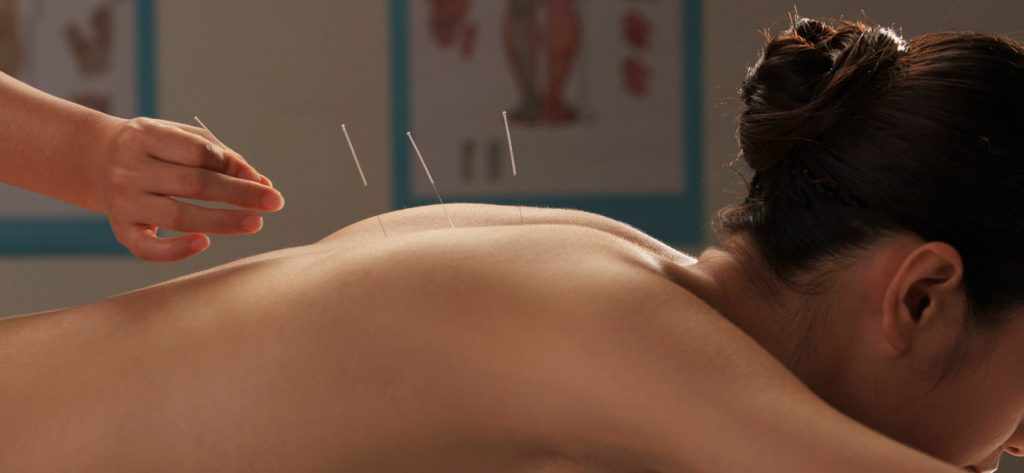
Acupuncture is the most recognised TCM tool—and for good reason.
Research shows acupuncture can:
Modulate pain pathways in the nervous system
Trigger endorphin release
Improve local blood flow
Reduce inflammation markers
The World Health Organization has acknowledged acupuncture as beneficial for a range of pain conditions, including back pain, neck pain, and headaches, based on clinical evidence. An overview of this recognition is available via the WHO’s acupuncture guidance:
WHO Acupuncture Overview
In practice, most patients notice something subtle first: better sleep, less background tension, or pain that no longer dominates their attention. Relief often builds session by session, rather than arriving as a single “fix.”
Can Chinese herbal medicine help with chronic pain?
Herbal medicine is where TCM often goes deeper.
Formulas are traditionally used to:
Reduce inflammatory processes
Improve circulation to affected tissues
Support connective tissue repair
Address fatigue or weakness that slows healing
Importantly, herbs are rarely given as one-size-fits-all. They’re combined based on the individual’s presentation and adjusted as symptoms change. For chronic pain sufferers who feel “run down” after years of discomfort, this systemic support can be a missing piece.
Anyone who’s tried multiple supplements with mixed results usually notices the difference here. It’s less about chasing ingredients and more about how they work together.
What conditions respond well to TCM pain management?
While results vary, TCM is commonly used for:
Chronic lower back pain
Neck and shoulder tension
Arthritis and joint pain
Migraines and tension headaches
Fibromyalgia-type pain patterns
Post-injury pain that hasn’t fully resolved
One of the less-talked-about benefits is that treatment often improves non-pain symptoms too—energy, digestion, sleep, and mood. That’s not accidental. In TCM logic, these systems are connected. When one improves, others often follow.
Is this approach backed by real-world experience?
Ask any practitioner who’s been in clinic long enough and you’ll hear the same stories.
People arrive sceptical. They’ve “tried everything.” They’re not chasing miracles—just a day that feels normal again. Over time, pain softens. Flare-ups shorten. The body becomes more predictable.
That lived experience matters. It’s also why TCM tends to rely heavily on consistency, one of Cialdini’s persuasion principles. Small, repeated inputs—rather than aggressive interventions—often create the most durable change.
What should people realistically expect?
TCM isn’t about instant pain erasure. It’s about changing the trajectory.
Most chronic pain plans involve:
An initial phase of more regular treatment
Gradual spacing as symptoms stabilise
Ongoing self-care guidance
Anyone promising overnight results is selling something else.
But for many, the appeal is simple: the body is treated as a system, not a collection of failing parts. And that shift alone can be surprisingly relieving.
Frequently asked questions
Does acupuncture hurt?
Most people describe it as dull, heavy, or barely noticeable. Sharp pain is uncommon and brief if it occurs.
Can TCM be used alongside other treatments?
Yes. Many patients combine it with physiotherapy, exercise, or medical care without issue.
How long before results appear?
Some notice changes within a few sessions. Long-standing pain often needs a longer runway.
A quieter, steadier way forward
Chronic pain rarely responds to force. It responds to patience, pattern recognition, and steady input. That’s where Traditional Chinese Medicine tends to shine.
If you’re exploring options that look beyond symptom suppression and focus on sustainable relief, learning more about evidence-informed chronic pain treatment approaches rooted in Traditional Chinese Medicine may offer a different perspective—one that works with the body, not against it.
Sometimes progress isn’t loud. It’s just consistent. And for people living with chronic pain, that can make all the difference.














Write a comment ...