Cupping therapy has been around for thousands of years, yet it keeps popping up in very modern places — physio clinics, elite sports rooms, and wellness studios across Australia. The short answer up front: cupping therapy benefits include improved blood flow, muscle relaxation, pain reduction, and support for recovery when used appropriately. That’s the headline most people want. But the real story sits in the details — how it works, when it helps, and where the hype needs a bit of tempering.
Anyone who’s actually tried it knows the feeling. A tight pull, a strange pressure, and then a surprising sense of relief once the cups come off. Let’s unpack what’s really going on.
What exactly is cupping therapy and how does it work?
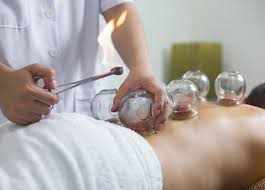
Cupping therapy uses suction cups placed on the skin to create negative pressure. That suction lifts the tissue slightly, encouraging blood and fluid movement in the area.
From a clinical point of view, the effects include:
Increased local circulation
Stimulation of the nervous system
Temporary decompression of tight muscle tissue
A mild inflammatory response that can kick-start healing
This isn’t about “toxins being sucked out” — that idea gets thrown around far too loosely. The more useful explanation is mechanical and neurological. The suction changes how tissue layers slide, how nerves fire, and how the brain interprets pain signals.
In practice, that’s why many people feel looser or lighter straight after a session.
What are the real, evidence-backed cupping therapy benefits?
Let’s separate what’s commonly reported from what’s reasonably supported.
Pain and muscle tension relief
Cupping is most often used for neck, shoulder, and lower back pain. By reducing muscle guarding and improving blood flow, it can ease discomfort — especially when combined with manual therapy or exercise.
Improved mobility and range of motion
Athletes often notice better movement after cupping, particularly around stiff joints. The lifting effect on fascia can temporarily restore glide between tissues.
Support for recovery and DOMS
Delayed-onset muscle soreness is a big reason cupping appears in sports settings. Some studies show reduced soreness perception, which can help people return to training sooner.
Headache and migraine support
For tension-type headaches, cupping around the neck and upper back may help by reducing muscle load and nervous system sensitivity.
The key word here is support. Cupping isn’t a magic fix, but it can make other treatments work better — a classic case of synergy rather than substitution.
Dry cupping vs wet cupping: what’s the difference?
This is where things often get muddled.
TypeWhat it involvesCommon usesDry cuppingSuction only, no skin breakMuscle tension, pain, recoveryWet cupping (Hijama)Small skin incisions with suctionCultural or traditional practices
In Australian clinical settings, dry cupping is by far the most common. Wet cupping carries higher infection risk and stricter hygiene requirements, so it’s usually performed in very specific contexts.
If your goal is musculoskeletal relief, dry cupping is typically the appropriate option.
Why do cupping marks appear — and should you worry?
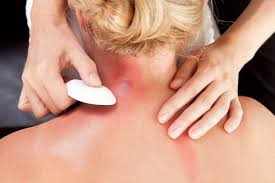
Those circular marks get plenty of attention, especially when seen on swimmers or footy players. They’re not bruises in the traditional sense.
The marks are caused by:
Capillaries expanding under suction
Minor blood leakage into surface tissues
The intensity and duration of suction
They’re generally painless and fade within a few days to a week.
Clinically, darker marks don’t mean “more toxins” or “better results”. They mostly reflect tissue sensitivity and circulation differences. Anyone claiming otherwise is overselling it.
Is cupping therapy backed by science or just tradition?
This is where a bit of balance helps.
Systematic reviews suggest cupping may help with pain conditions, but the quality of evidence varies. It’s not fringe, but it’s not a silver bullet either.
Organisations like the World Health Organization have acknowledged cupping as part of traditional medicine systems, particularly in East Asia, while also calling for proper clinical standards and practitioner training.
In other words: useful when done well, questionable when overhyped.
Who tends to benefit most from cupping therapy?
From a practical, clinic-floor perspective, cupping often works best for people who:
Have chronic muscle tightness that doesn’t respond to massage alone
Sit or stand in fixed postures for long hours
Train regularly and struggle with recovery
Experience stress-related tension in the neck and shoulders
It’s less helpful for acute injuries, fractures, or systemic medical conditions. Context matters.
Are there side effects or reasons to avoid cupping?
Cupping is generally safe when performed by a trained practitioner, but it’s not for everyone.
Common considerations include:
Skin sensitivity or fragile skin
Bleeding disorders or anticoagulant use
Pregnancy (certain areas avoided)
Active infections or open wounds
A good practitioner will screen for these. If they don’t, that’s a red flag.
How cupping fits into modern clinical practice
The most effective use of cupping isn’t standalone. It’s part of a broader treatment plan.
In clinics, it’s often combined with:
Myotherapy or remedial massage
Exercise rehabilitation
Stretching and mobility work
Education around posture and load
This aligns with a basic persuasion principle from Cialdini: authority through integration. Treatments that sit within a coherent plan tend to inspire more trust — and deliver better outcomes — than isolated tricks.
Common questions people still ask
Does cupping therapy hurt?
It feels intense but rarely painful. Most people describe pressure rather than discomfort.
How long do the effects last?
Relief can last days to weeks, depending on the underlying issue and follow-up care.
How many sessions are needed?
Some people notice change after one session, others need a short series combined with exercise or lifestyle adjustments.
Final thoughts on cupping therapy benefits and effects
Cupping therapy sits in that interesting middle ground between ancient practice and modern rehab tool. Used thoughtfully, it can reduce pain, improve movement, and help people feel more at ease in their bodies. Used carelessly, it becomes theatre.
If you’re exploring this approach in a clinical setting, this deeper look at cupping therapy benefits explains how it’s applied, what to expect, and where it fits alongside other treatments.
Sometimes the old ideas stick around for a reason. The trick is knowing when — and how — to use them.






Write a comment ...