
Facial acupuncture is often talked about as a “natural alternative” for skin support, but that undersells what’s really going on. At its core, it’s a method that works with muscles, circulation, and the nervous system to support how the face functions and looks. In Richmond, more people are exploring facial acupuncture not as a beauty trend, but as a way to support skin health and facial muscle balance without harsh interventions.
What is facial acupuncture actually doing beneath the skin?
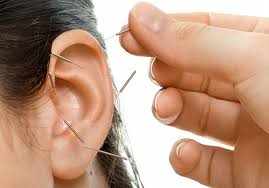
Facial acupuncture uses very fine needles placed at specific points on the face and body. These points are chosen to influence local blood flow, muscle tone, and connective tissue, while also working through the nervous system.
On a practical level, treatment aims to:
Encourage circulation to the skin
Support collagen and elastin activity through micro-stimulation
Help overly tight facial muscles relax
Support weaker or underused muscles to re-engage
Anyone who clenches their jaw, squints at screens all day, or holds tension across the brow knows how much muscle habits affect the face. Facial acupuncture works with those patterns rather than trying to freeze or override them.
Why do people in Richmond choose facial acupuncture for skin support?
Richmond locals tend to be practical. Many want treatments that make sense long-term and don’t rely on constant top-ups or aggressive approaches. Facial acupuncture fits that mindset.
People often explore it because they’re looking for:
Support for dull or tired-looking skin
Help with jaw tension, headaches, or facial tightness
A natural option that aligns with whole-body health
Skin support without injectables or downtime
There’s also something appealing about the slower, more considered pace of treatment. You’re lying down, breathing, and letting your nervous system settle. That alone can change how the face holds tension.
How does facial acupuncture support facial muscles?
One of the least talked-about aspects of facial acupuncture is muscle balance. Facial expressions are driven by dozens of small muscles, many of which become overworked on one side or underused on the other.
Over time, this can show up as:
Asymmetry around the mouth or eyes
Deepening lines where muscles stay contracted
A heavy or pulled-down feeling in parts of the face
By targeting specific points, facial acupuncture can help reduce excess muscle tension while supporting weaker areas. It’s subtle work, but over a series of sessions people often notice their face feels more relaxed and moves more evenly.
Is there evidence behind facial acupuncture?
Research into cosmetic and facial acupuncture is still developing, but there is growing interest in how acupuncture influences circulation, inflammation, and connective tissue.
Clinical reviews have explored acupuncture’s effect on skin health and facial function, particularly its role in increasing local blood flow and supporting tissue repair. A useful overview published in a peer-reviewed medical journal outlines how acupuncture may influence facial appearance through neuromuscular and circulatory pathways:
Acupuncture and facial rejuvenation research overview
While results vary from person to person, this aligns with what many practitioners see in clinic: gradual, natural-looking changes rather than dramatic overnight shifts.
What does a facial acupuncture session feel like?
This is one of the most common questions, and the answer surprises people.
The needles are extremely fine. Most people feel:
A light pressure or brief tingling
A sense of heaviness or warmth in certain areas
Deep relaxation once the needles are in place
It’s not uncommon to drift into a half-sleep. The face often feels looser afterward, almost like it’s had a workout and a stretch at the same time.
How many sessions are usually needed?
Facial acupuncture isn’t about a one-off fix. Like exercise or physio, consistency matters.
Many practitioners suggest:
An initial series of weekly or fortnightly sessions
Followed by maintenance sessions spaced further apart
Changes tend to be cumulative. Skin tone, muscle balance, and facial tension often shift gradually rather than all at once. That pace is part of why people stick with it.
How is facial acupuncture different from cosmetic injectables?
The two approaches work on completely different principles.
Facial AcupunctureInjectablesWorks with muscle functionTemporarily restricts muscle movementSupports circulation and tissue healthTargets wrinkles directlyGradual, cumulative changesFaster, more visible changesWhole-body approachLocalised intervention
Many people aren’t anti-injectables; they’re just curious about options that support the face in a different way. Facial acupuncture often appeals to those who value function first, appearance second.
Is facial acupuncture only about appearance?
Not really. One reason it resonates with people is that the benefits aren’t limited to how the skin looks.
Clients often mention improvements in:
Jaw tension or teeth grinding
Sinus congestion
Headaches linked to facial tension
Sleep and overall stress levels
When the nervous system settles, the face usually follows.
Facial acupuncture in Richmond: a considered approach
Richmond has a strong culture of allied health, movement, and preventative care. Facial acupuncture fits neatly into that ecosystem. It’s not about chasing perfection. It’s about supporting how the face functions over time.
For people interested in learning more about how this approach is applied locally, this overview of facial acupuncture richmond gives a clear sense of how skin and muscle support are approached in practice.
In the end, facial acupuncture suits those who are comfortable with subtlety. The changes aren’t loud, but they tend to feel honest. And for many, that’s exactly the point.













Write a comment ...