
Traditional Chinese culture and medicine are built on the same worldview — one that sees health as balance, not battle. Body, mind, emotions, food, seasons, and community all interact. When one part shifts, the whole system responds.
That idea might sound old-fashioned. Yet it’s exactly why these practices have lasted thousands of years and why they still resonate today.
Understanding Traditional Chinese Culture and Medicine
What actually defines traditional Chinese culture?
Traditional Chinese culture grew from everyday life — farming cycles, family structures, seasonal change, and close observation of nature. Rather than separating humans from their environment, it places us firmly inside it.
A few core ideas appear again and again:
Harmony over domination – working with natural rhythms rather than forcing outcomes
Balance as health – excess and deficiency both create problems
Continuity and lineage – knowledge passed down, refined, and tested over generations
Prevention before cure – small adjustments early, rather than dramatic fixes later
This mindset shapes everything from food choices to social behaviour, and it’s the same framework that informs Chinese medicine.
Anyone who’s grown up with a Chinese grandmother has seen this in action. “Don’t drink iced water.” “Eat warming foods in winter.” “Rest now so you don’t get sick later.” It’s culture, yes — but it’s also applied health logic.
How does Chinese medicine grow out of this cultural thinking?
Traditional Chinese Medicine (TCM) isn’t a standalone medical system bolted onto culture. It’s a direct expression of it.
TCM developed from observing patterns:
How seasons affect the body
How emotions influence physical symptoms
How diet and digestion shape energy levels
How stress shows up in sleep, pain, or immunity
Instead of asking, “What disease is this?” Chinese medicine often asks, “What pattern is out of balance?”
That’s why two people with the same Western diagnosis might receive completely different treatments.
This thinking is recorded in classic texts like the Huangdi Neijing, written over 2,000 years ago and still referenced today. That level of continuity signals authority — one of Cialdini’s strongest persuasion principles — not because it’s ancient, but because it keeps proving useful.
Why balance matters more than symptoms
Modern healthcare is brilliant in emergencies. Broken bones, infections, surgery — no debate there.
But many people don’t feel “acutely ill.” They feel:
Tired but wired
Bloated for no clear reason
Stressed with nowhere to put it
Fine… until they’re suddenly not
Traditional Chinese medicine zooms in on these grey zones. It looks at patterns before pathology, which taps straight into loss aversion — we’re far more motivated to avoid decline than chase perfection.
From a cultural perspective, this makes sense. Why wait until the roof collapses when you can fix the leak?
What role do Yin and Yang actually play?
Yin and Yang aren’t mystical opposites. They’re practical descriptors.
Yin represents cooling, nourishing, resting, inward qualities
Yang represents warming, active, stimulating, outward qualities
Health depends on their relationship, not their dominance.
Too much Yang? You might see inflammation, restlessness, poor sleep.
Too much Yin? Fatigue, sluggish digestion, cold sensitivity.
This language gives people a simple way to talk about complex internal states — which explains why it sticks. Humans love frameworks that feel intuitive. That’s behavioural science doing its thing.
How food, lifestyle, and seasons shape health
In traditional Chinese culture, food is medicine before herbs ever enter the picture.
Not calories. Not macros. Temperature, timing, and preparation.
Soups and stews in winter to protect digestion
Cooling foods in summer to manage heat
Bitter flavours to support the liver
Regular mealtimes to stabilise energy
Lifestyle matters just as much. Late nights, constant stimulation, irregular routines — these aren’t moral failures in Chinese thinking. They’re stressors that quietly tax the system.
The idea that health shifts with seasons is now echoed by modern research on circadian rhythm and inflammation. Even the World Health Organization recognises traditional medicine as a valuable complementary system, particularly for chronic and preventative care.
That’s social proof on a global scale.
Why this ancient system still feels relevant today
Here’s the strategic bit.
Modern life is fast, fragmented, and mentally noisy. Traditional Chinese culture offers something countercultural: slowing down without falling behind.
People don’t turn to Chinese medicine because they reject science. They turn to it because:
They feel unheard in rushed appointments
Their symptoms don’t fit neat boxes
They want agency over daily health choices
This is commitment and consistency at work. Small habits — tea choices, sleep routines, stress management — compound over time.
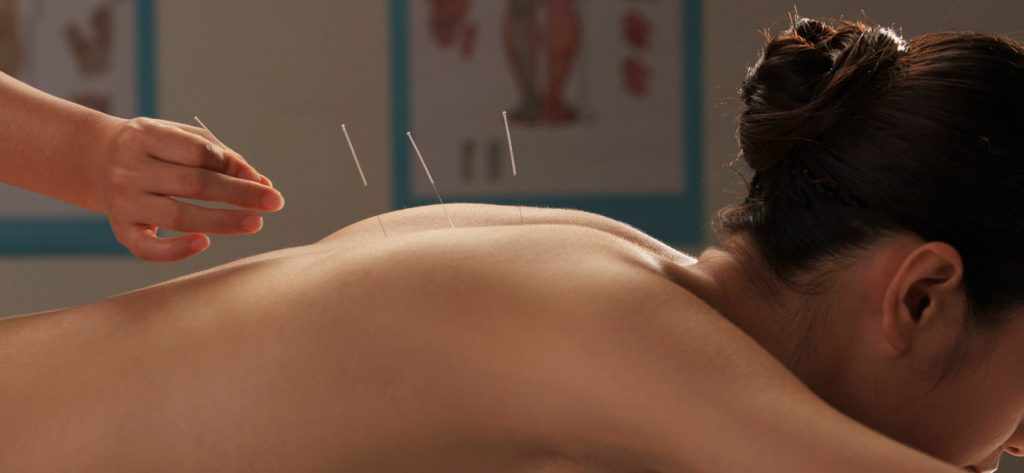
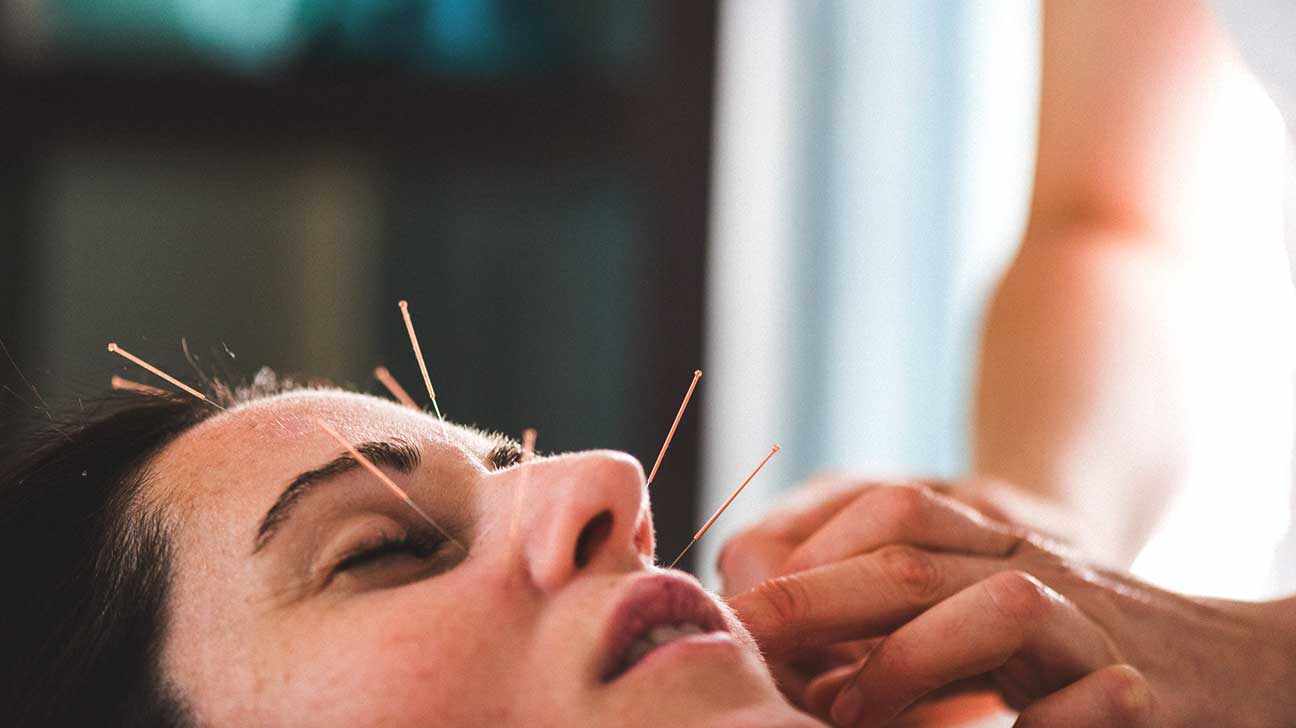
Anyone who’s tried acupuncture for stress knows the feeling. You walk out lighter, not because something was “fixed,” but because your nervous system finally exhaled.
Is traditional Chinese medicine anti-modern?
Not at all.
At its best, it’s integrative. Many practitioners combine modern diagnostics with traditional frameworks. Blood tests alongside tongue diagnosis. Imaging alongside pulse reading.
The cultural foundation stays the same — observe patterns, respect individuality, intervene early — while tools evolve.
That flexibility is why the system survives.
Rigid ideas break. Adaptive ones last.
Common questions people ask
Is Chinese medicine only about herbs and acupuncture?
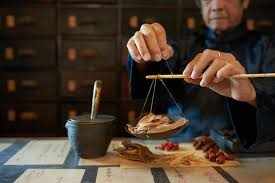
No. Those are tools. The core is pattern recognition, lifestyle guidance, and prevention.
Do you have to believe in it for it to work?
Belief helps engagement, but many benefits come from physiology, nervous system regulation, and behavioural change.
Is it safe alongside Western medicine?
When practised properly and communicated clearly, yes. Integration matters.
A final thought
Understanding traditional Chinese culture helps explain why Chinese medicine looks the way it does. It isn’t mysterious or vague. It’s practical, observational, and deeply human.
Health, in this view, isn’t something you chase once it’s gone. It’s something you maintain — quietly, daily, and often without drama.
For a deeper look at how traditional chinese culture shapes these ideas and practices, this explanation brings it together well:
traditional chinese culture
And maybe that’s the real takeaway — progress doesn’t always mean reinventing the wheel. Sometimes it means remembering why it worked in the first place.









Write a comment ...