
Traditional Chinese Medicine (TCM) looks at fatigue differently from Western models, and that shift in perspective often explains why people who’ve “tried everything” finally start feeling human again.
Here’s the short answer up front: TCM treats fatigue by restoring balance, not by forcing stimulation. Instead of asking “How do we boost energy?”, it asks “Why is energy leaking in the first place?” That distinction matters more than most people realise.
What does fatigue mean in Traditional Chinese Medicine?
In TCM, fatigue isn’t a standalone problem. It’s a signal.
Energy, or Qi, flows through the body much like electricity through a house. When the wiring is damaged, adding more power doesn’t help—it causes more problems. Fatigue shows up when Qi is:
Deficient (not enough being produced)
Stagnant (blocked or poorly circulated)
Depleted through stress, overwork, or illness
Anyone who’s pushed through long hours, chronic stress, or burnout knows this feeling well. Coffee helps for an hour. Then the crash hits harder.
Why do some people feel tired even after resting?
This is one of the most common questions practitioners hear.
From a TCM lens, rest alone doesn’t always rebuild energy because fatigue isn’t always caused by lack of sleep. Common underlying patterns include:
Digestive weakness, meaning food isn’t being converted into usable energy
Chronic stress disrupting the nervous system
Long-term inflammation or illness draining reserves
Emotional load quietly exhausting the body
Anyone who’s taken time off and still felt flat knows how frustrating this can be. You rest… and nothing changes.
How does Traditional Chinese Medicine approach fatigue management?
Rather than a one-size-fits-all protocol, TCM works through pattern recognition. Treatments are selected based on how fatigue shows up in your body, not someone else’s.
Common tools include:
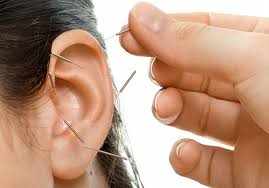
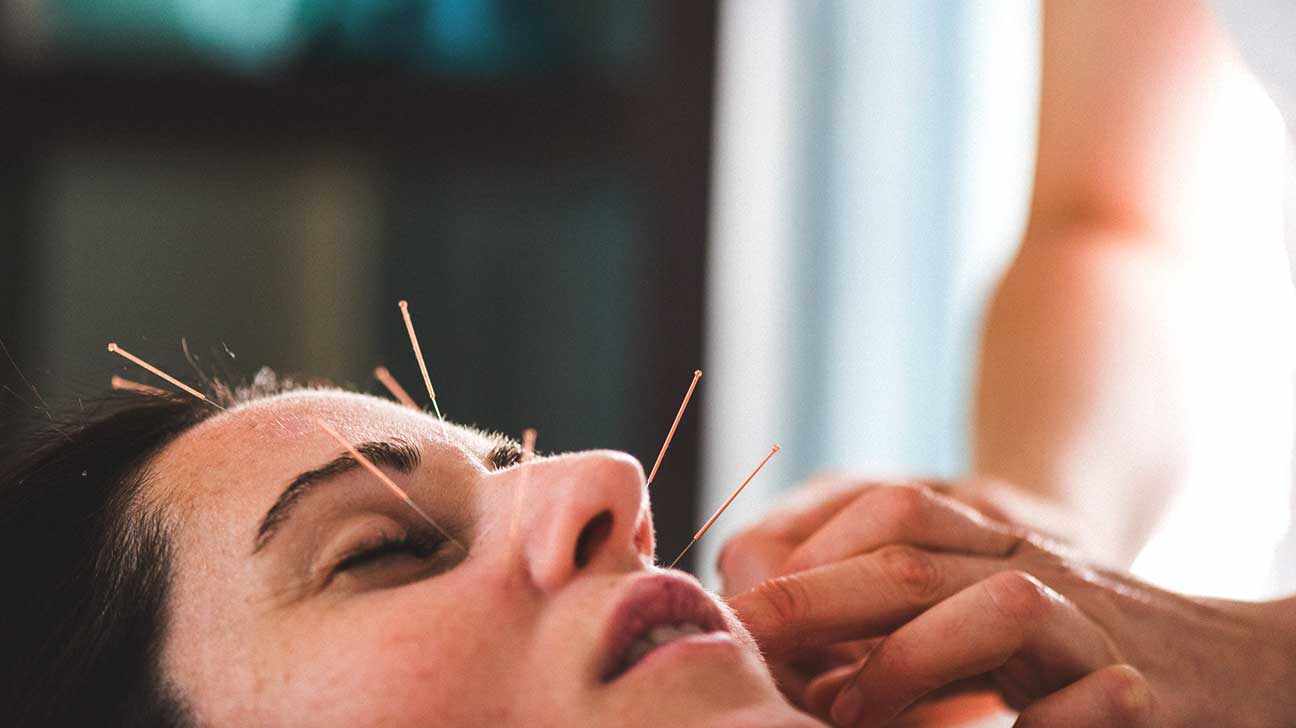
Acupuncture, used to regulate Qi flow and calm the nervous system
Chinese herbal medicine, chosen to rebuild energy gently rather than overstimulate
Dietary adjustments, often small but targeted changes that improve digestion and energy production
Lifestyle guidance, focusing on stress rhythms, sleep timing, and recovery habits
This approach aligns with what behavioural science tells us: sustainable change works best when it’s gradual and supportive, not aggressive. That’s reciprocity in action—the body gives back when it’s treated well.
Is there evidence behind TCM for fatigue?
There’s growing global interest here, particularly for chronic fatigue and post-viral exhaustion.
Organisations like the World Health Organization recognise Traditional Chinese Medicine as a legitimate medical system, and clinical research continues to expand in areas like acupuncture and herbal medicine for fatigue-related conditions.
For a balanced, research-backed overview, the National Center for Complementary and Integrative Health provides a solid reference point on acupuncture and energy-related conditions:
Acupuncture and fatigue-related conditions
Authority matters here. People are more willing to try something new when it’s grounded in both tradition and evidence.
What does fatigue treatment actually feel like?
This surprises many first-time patients.
Instead of an instant “buzz,” people often report:
Deeper, more restorative sleep
Fewer afternoon crashes
Improved digestion and appetite
A calmer, steadier kind of energy
It’s subtle at first. Then one day you realise you got through the week without dragging yourself across the finish line. Consistency builds confidence—another quiet persuasion principle at play.
Who tends to benefit most from TCM fatigue care?
In practice, TCM tends to resonate with people who:
Feel wired but tired
Burn out easily under stress
Have tried supplements with little success
Experience fatigue alongside digestion, sleep, or mood issues
Tradies running long days, small business owners juggling everything, parents who never fully switch off—this style of care fits real life, not ideal conditions.
FAQs about fatigue and Traditional Chinese Medicine
How long does it take to notice changes?
Some people feel shifts within a few sessions, while long-term fatigue usually improves gradually over weeks.
Can TCM work alongside Western treatment?
Yes. Many people use it as a complementary approach alongside medical care.
Is it safe?
When provided by a qualified practitioner, acupuncture and herbal medicine have strong safety profiles.
Fatigue doesn’t mean your body is broken. More often, it’s asking for a different kind of support—one that rebuilds instead of pushes.
If you’re curious how this philosophy applies in practice, this overview of fatigue management tcm explains how these principles are used clinically to restore energy in a sustainable way.












Write a comment ...