
Ageing doesn’t usually arrive with a bang. It creeps in quietly — stiffer joints in the morning, digestion that’s a bit off, sleep that doesn’t quite do the job anymore. For many older adults in Greater Vancouver, the question isn’t “How do I fix this?” but “How do I stay well without piling on more medications?”
That’s where Traditional Chinese Medicine (TCM) often enters the conversation
Traditional Chinese Medicine offers a gentle, whole-person approach that many seniors use alongside conventional care. Rather than chasing symptoms, TCM focuses on balance — supporting mobility, digestion, sleep, mood, and energy in ways that respect the realities of ageing.
Why are more seniors in Greater Vancouver exploring TCM?
Anyone who’s spent time with older family members knows this: health concerns rarely come one at a time. Arthritis overlaps with poor sleep. Digestive issues sit alongside fatigue. Add stress or grief, and things compound quickly.
TCM resonates with seniors because it:
Looks at patterns, not isolated problems
Emphasises prevention and maintenance
Can be adapted for fragile or complex health profiles
In a region like Greater Vancouver — with its strong multicultural roots and openness to integrative care — this approach feels familiar rather than fringe.
What does Traditional Chinese Medicine actually involve for older adults?
TCM isn’t a single treatment. It’s a system, and practitioners choose tools based on the person in front of them, not their birth certificate.
Common modalities used with seniors include:
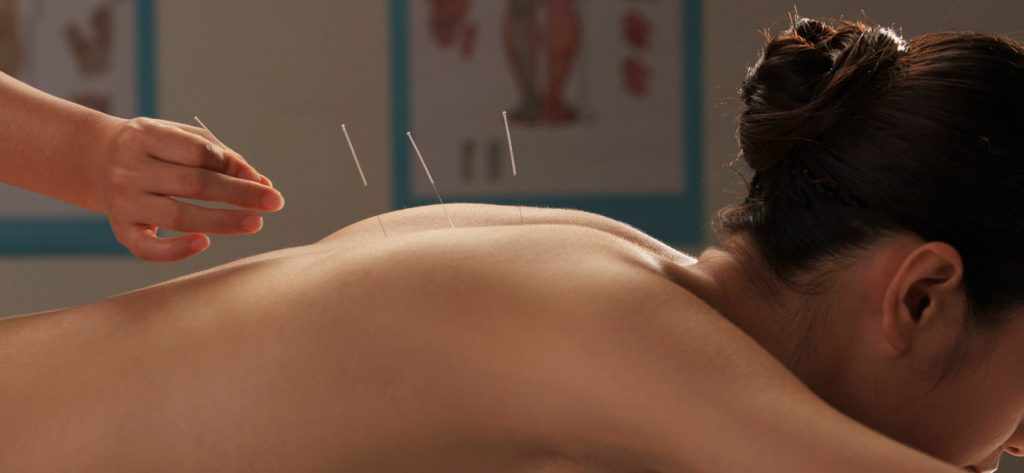
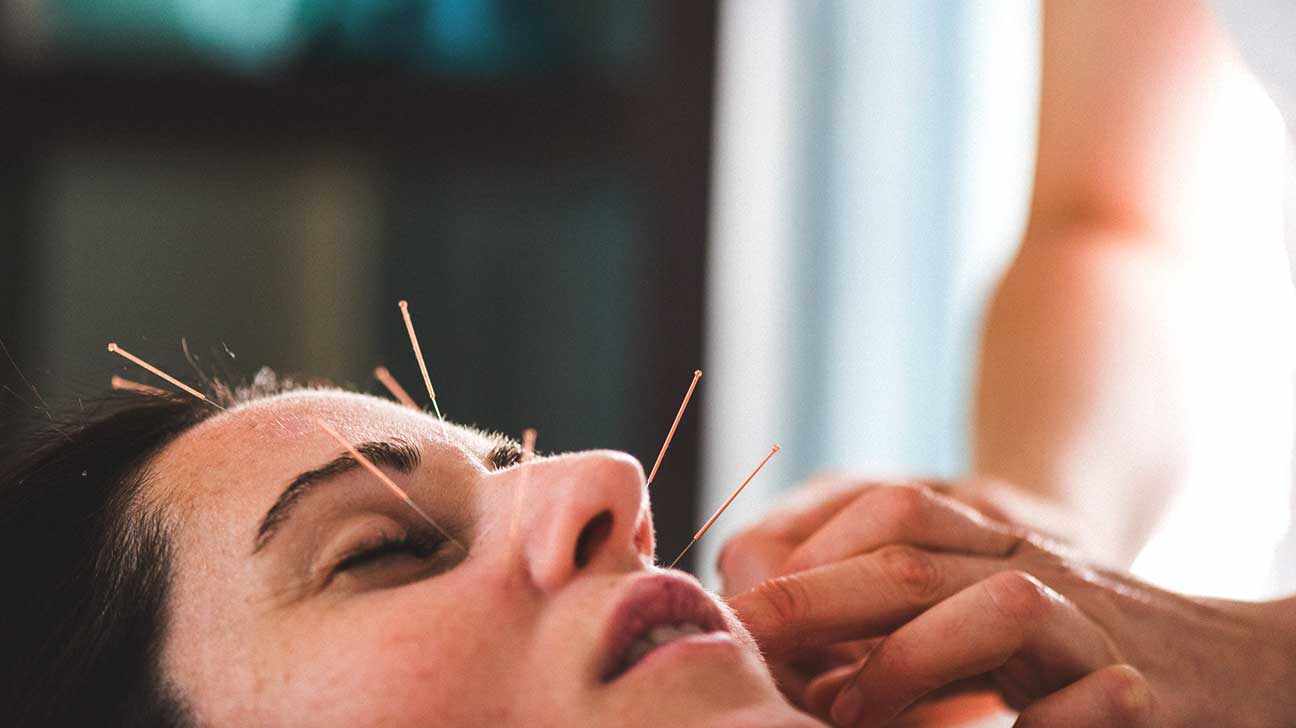
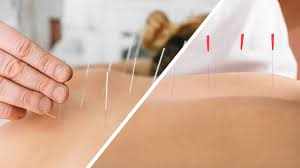
Acupuncture, often with gentler techniques and fewer needles
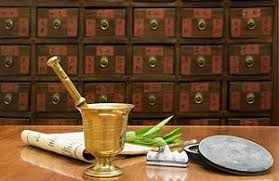
Chinese herbal medicine, carefully adjusted for age, digestion, and existing medications
Dietary therapy, aligning food choices with energy levels and seasonal needs
Movement practices such as tai chi or qigong to support balance and circulation
Anyone who’s tried a well-paced tai chi class knows the feeling — grounded, calm, and quietly energised without feeling pushed.
Is TCM safe for seniors?
This is usually the first — and smartest — question.
When practised by a qualified professional, TCM is widely used as a complementary approach. Good practitioners:
Take a full medical history
Ask about medications and existing diagnoses
Adjust treatment intensity for age and vitality
This aligns with guidance from organisations like the World Health Organization’s overview of Traditional Medicine, which recognises TCM’s role when used appropriately alongside conventional care.
How can TCM support common age-related concerns?
Rather than promising miracles, TCM works in small, meaningful gains — the kind that add up over time.
Seniors often seek support for:
Joint pain and stiffness
Poor sleep or frequent waking
Digestive discomfort and low appetite
Fatigue or low resilience
Stress, anxiety, or emotional heaviness
There’s a consistency principle at play here (one of Cialdini’s classics): gentle, repeated care tends to work better than aggressive, stop-start interventions — especially as we age.
What makes TCM different from symptom-based care?
Western medicine excels at acute problems. TCM shines in the grey zones — when nothing is “wrong enough” for intervention, but life doesn’t feel quite right either.
From a behavioural perspective, this reframing matters. Instead of asking “What’s broken?”, TCM asks “What’s out of balance?”
That shift alone can reduce fear and increase a sense of control — something seniors value deeply.
Choosing TCM support in Greater Vancouver: what should families look for?
Whether you’re a senior yourself or helping a parent, a few practical cues matter:
Clear communication and willingness to explain
Experience working with older adults
Collaboration with other healthcare providers
Conservative, respectful treatment plans
Trust builds quickly when care feels calm, unhurried, and genuinely personal.
A quiet but growing role in healthy ageing
There’s nothing flashy about Traditional Chinese Medicine. No bold promises. No overnight fixes. And that’s exactly why many seniors stick with it.
In Greater Vancouver, more families are weaving this kind of support into everyday life — not to replace medical care, but to soften the edges of ageing and stay engaged in the things that matter.
For those curious about ongoing, age-appropriate support, this overview of senior tcm care gives a practical sense of how Traditional Chinese Medicine is being applied locally — calmly, carefully, and with respect for the later chapters of life.




Write a comment ...