
Cupping therapy is one of the oldest hands-on techniques in Traditional Chinese Medicine (TCM), used to move stagnant blood and qi, ease muscle tension, and support the body’s natural recovery processes. People often describe it as uncomfortable-but-relieving — the kind of sensation that feels purposeful rather than punishing.
What is cupping therapy in Traditional Chinese Medicine?
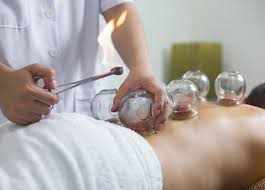
Cupping therapy has been part of Traditional Chinese Medicine for well over 2,000 years. The basic idea is simple: cups are placed on the skin and suction is created, drawing the skin and superficial tissues upward.
In TCM thinking, this suction helps:
Move qi (vital energy) when it becomes stuck
Improve local blood circulation
Release tight muscles and connective tissue
Clear what practitioners describe as “pathogenic factors” like cold or damp
Anyone who’s had it done knows the feeling. The skin warms, the area flushes, and there’s often a deep, spreading sensation that feels very different to massage.
How does cupping therapy actually work?
From a modern physiological lens, cupping creates negative pressure rather than compression. That matters.
Instead of pushing down into tissue (like massage), cupping gently lifts it. This can:
Increase local blood flow
Stimulate nerve endings
Encourage lymphatic movement
Temporarily reduce muscle stiffness
Research reviewed by organisations like the World Health Organization has acknowledged cupping as a commonly used traditional therapy worldwide, particularly for pain-related conditions. While Western medicine still debates the mechanisms, the clinical outcomes — especially for musculoskeletal discomfort — are hard to ignore.
You can explore a high-level overview via the WHO’s traditional medicine resources here: WHO Traditional Medicine Strategy.
What are the different types of cupping used in TCM?
Cupping isn’t a single technique. In clinical TCM practice, several styles are used depending on the presentation.
Dry cupping
The most common form. Cups are applied and left in place for several minutes. This is often used for muscle tightness, stress patterns, and general stagnation.
Wet cupping
Involves very small skin pricks followed by suction. Traditionally used to “release heat” or severe stagnation. This method is less common in Australian clinics and more tightly regulated.
Moving (sliding) cupping
Oil is applied and the cups are gently moved along muscles. Anyone who trains hard will recognise why this one is popular with athletes.
Flash cupping
Cups are applied and removed quickly in succession. Often used for sensitive patients or respiratory patterns.
Why do cupping marks appear — and should you worry?
Those circular marks are the first thing people ask about.
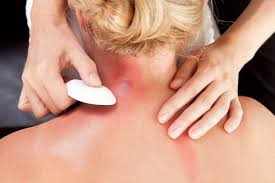
They aren’t bruises in the usual sense. They’re a surface-level pooling of blood and fluids drawn upward by suction. In TCM theory, darker marks suggest deeper stagnation; lighter marks suggest milder congestion.
From a practical point of view:
Marks are painless after treatment
They fade within a few days to a week
They don’t indicate tissue damage
If anything, experienced practitioners see them as feedback — a visible sign of how the body is responding.
What conditions is cupping therapy commonly used for?
In Traditional Chinese Medicine clinics, cupping is most often used alongside acupuncture or massage rather than as a standalone treatment.
Common reasons people seek it out include:
Back, neck, and shoulder tension
Sports-related muscle tightness
Headaches linked to muscle tension
Stress patterns that sit in the upper body
General fatigue with a “heavy” feeling
There’s a strong behavioural element here. People stick with cupping because they feel something happening. That immediate sensory feedback builds trust — a classic example of Cialdini’s consistency principle in action.
Is cupping therapy backed by science?
This is where nuance matters.
High-quality research is growing, especially around pain management and mobility. Some systematic reviews suggest cupping may reduce pain intensity compared to no treatment, particularly for chronic neck and back pain.
That said, outcomes depend heavily on:
Practitioner skill
Correct diagnosis
Appropriate technique selection
In other words, cupping isn’t magic — but in experienced hands, it’s far from placebo.
What does cupping feel like during and after a session?
Most first-timers expect pain. That’s rarely what they get.
During treatment, sensations often include:
A tight pulling feeling
Local warmth
A deep, spreading pressure
Afterwards, people commonly report:
Looser movement
A light, relaxed feeling
Mild fatigue (often followed by better sleep)
Anyone who’s sat up after cupping on the shoulders knows that odd moment where your posture just… changes.
Is cupping safe when performed properly?
When performed by a qualified TCM practitioner, cupping is generally considered low risk.
Basic safeguards include:
Proper sterilisation
Avoiding broken or inflamed skin
Adjusting suction for age and constitution
This is where authority matters. Like any manual therapy, results — and safety — are practitioner-dependent.
Frequently asked questions about cupping therapy
Does cupping hurt?
It can feel intense, but it’s rarely painful. Most people describe it as “strong but relieving.”
How long do cupping marks last?
Typically three to ten days, depending on circulation and hydration.
Can cupping be combined with acupuncture?
Yes. In Traditional Chinese Medicine, they’re often used together for complementary effects.
A final thought on cupping therapy in Traditional Chinese Medicine
Cupping has survived for thousands of years for a reason. It’s simple, tactile, and honest — you feel it working in real time. In an age obsessed with high-tech solutions, there’s something grounding about a therapy that relies on suction, heat, and practitioner skill.
If you’re curious about how Cupping Therapy is applied within a modern clinical TCM setting, this cupping therapy overview explains the approach clearly and without the fluff.
Sometimes, the oldest tools stick around because they still do the job.





Write a comment ...